
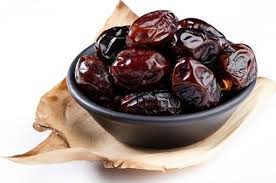
Date seed coffee is exactly what it sounds like: the pits of the date fruit, roasted and ground instead of thrown out, then brewed the way you would brew ground coffee. In the Middle East, date pits are often used as a coffee substitute after roasting, according to a 2019 study of roasted date pit products (Farag et al., 2019).
It isn’t coffee, though. That same study analysed commercially roasted date pit products alongside home-roasted and unroasted pits, with a roasted coffee product for comparison. Caffeine was absent from the roasted date pits. In tests on mice, date pit showed no stimulant effect on the central nervous system.
How it is made
The method is short in outline. The seeds are roasted, ground to a powder and brewed. How long and how hot the roast runs makes a real difference to the cup.
A study with researchers from Universiti Putra Malaysia roasted defatted date seeds at 160, 180 and 200 °C, for 10, 20 and 30 minutes each, then brewed the powder and tested it (Fikry et al., 2019). Both the temperature and the roasting time significantly changed the brew, including its colour, aroma, taste and the tasters’ overall preference. Their best combination worked out at 199.9 °C for 21.5 minutes.
One warning from the Farag study is worth knowing before you buy. The authors found evidence that some commercial date pit products appear to contain undeclared additives. Read the ingredient list, and if it only says “date seed”, ask the seller what else is in the blend.
Why people drink it
The appeal is one specific thing: a warm, dark drink with no caffeine. That’s the honest reason it exists as a product, not a long list of health promises. It’s a byproduct turned into something drinkable.
Date pits belong to a wider group of coffee substitutes. A 2024 review of these drinks names date pits alongside ginger, rye, quinoa, lupine, chicory, barley and oak, and lists having no caffeine as one of their main advantages (Tahmouzi et al., 2024). The same review is careful on one point. Studies comparing the levels of harmful compounds in coffee and in coffee substitutes have given contradictory results, so a substitute should not be assumed to be safer on every count.
How it differs from real coffee
The chemistry is not the same as coffee, so don’t expect the same cup. In the Farag analysis, roasted date pits were rich in furans, pyrans, terpenoids and sulfur compounds, while pyrroles were absent. Their primary metabolites leaned towards fatty acids, where the coffee sample had more sugars.
For anyone chasing caffeine, it won’t replace an espresso. As an after-dinner drink, the lack of caffeine is the whole point.
Where to go next
Date Fruits supplies dates for retail buyers and wholesale orders across Malaysia; the About Us page has the details. If you’re curious about other things made from the date, our Dates Fruit category collects the site’s articles on the fruit, and the Contact Us page is the quickest way to ask if we carry date seed coffee or can source it.
This article is general information, not medical advice.
References
- Farag MA, Otify AM, El-Sayed AM, et al. Sensory metabolite profiling in a date pit based coffee substitute and in response to roasting as analyzed via mass spectrometry based metabolomics. Molecules. 2019;24(18):3377. PubMed 31533283
- Fikry M, Yusof YA, Al-Awaadh AM, et al. Effect of the roasting conditions on the physicochemical, quality and sensory attributes of coffee-like powder and brew from defatted palm date seeds. Foods. 2019;8(2):61. PubMed 30736332
- Tahmouzi S, Nasab SS, Alizadeh-Salmani B, et al. Coffee substitutes: a review of the technology, characteristics, application, and future perspective. Compr Rev Food Sci Food Saf. 2024;23(6):e70041. PubMed 39385342